Investing in solar energy isn’t just about installing panels on your roof and waiting for the savings to roll in. A truly informed decision requires understanding the complete cost of ownership—from purchase and installation to maintenance, upgrades, and eventual panel recycling. This guide explores the full lifecycle of a solar system so you can plan effectively and maximize your return on investment.
1. Upfront Costs: Purchase and Installation
Equipment: Solar panels, inverters, mounting systems, wiring.
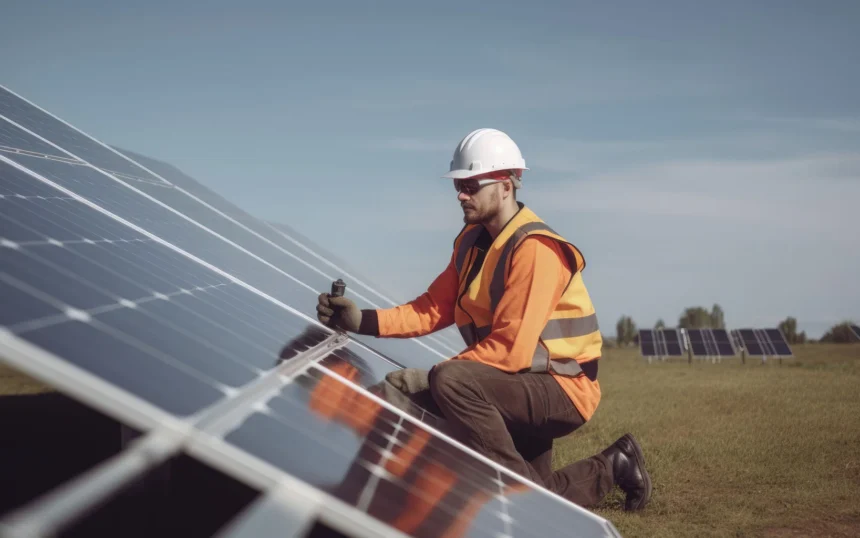
Labor: Professional installation ensures optimal performance and compliance with local regulations.
Permits and Inspections: Municipal fees vary but are a critical step.
2. Operational Costs: Maintenance and Repairs
Cleaning: Dust and debris can lower efficiency by up to 25%.
Repairs or Replacements: Inverters often need replacing after 10–15 years.
Adding more panels to meet increased energy demand may require upgrades to wiring, mounting, or inverter capacity.
Battery storage adds resilience but comes with upfront and replacement costs.
4. End-of-Life Costs: Disposal and Recycling
Solar panels typically last 25–30 years.
Proper recycling prevents harmful materials like cadmium or lead from entering landfills.
Certified recyclers recover glass, silicon, and metals for reuse.
Conclusion
A solar project is more than just the initial price tag. When you account for the entire lifecycle—installation, operation, upgrades, and responsible disposal—you’re investing in long-term energy security and sustainability.